

How to Create Custom Pet Apparel From Design to Finished Garment
Last Updated: October 26, 2026
Quick Summary
Creating custom pet apparel starts with choosing a style, selecting colors and patterns, and deciding how to personalize the design. Accurate measurements, appropriate fabric selection, and a reliable sewing pattern are essential for a well-fitting garment that your pet will be comfortable wearing.
- Measure your pet twice while calm, including neck, chest, back length, belly, and leg length for accurate fit.
- Choose fabric based on climate and coat type: lightweight cotton for warm climates, fleece for cold climates, and soft cotton for sensitive skin.
- Test fit with a mock-up prototype in cheap fabric before cutting into premium material to catch fit problems early.
- Add personalization through embroidery, fabric paint, appliqué, or heat transfer while avoiding choking hazards like loose buttons or dangling decorations.
- Wash finished garments in cold water, turn inside out, and air dry to preserve colors, designs, and elastic.
Table of Contents
- Plan Your Custom Pet Apparel Design
- How to Measure a Dog for Clothes That Fit Properly
- Best Fabric for Dog Clothes: Materials That Work
- Find or Create a Sewing Pattern for Your Design
- DIY Dog Clothes for Beginners: Cutting and Sewing Steps
- Custom Dog Shirt Design Ideas and Personalization Techniques
- Finishing, Testing, and Care for Your Custom Pet Apparel
- Order Professional Custom Pet Apparel From Creative Designs2828
- Frequently Asked Questions
Plan Your Custom Pet Apparel Design
Creating custom pet apparel starts with a clear vision. If you prefer professional help over DIY, you can commission a custom design.

The foundation of any successful custom pet apparel project is understanding what you're making and why. Are you designing a cozy sweater for winter, a lightweight shirt for everyday wear, or something festive for a special occasion?
Choose a Style and Garment Type
The style you pick determines fit, construction difficulty, and how well the finished piece will suit your pet.
T-shirts and tank tops are beginner-friendly. They require fewer seams and less complex tailoring.
Sweaters and hoodies offer warmth but demand more skill.
Wraps and capes are creative alternatives.
Think about your pet's lifestyle too. An active dog needs something durable and flexible.
Select Colors, Patterns, and Personalization Elements
Colors and patterns set the mood of your custom pet apparel design. Bold colors grab attention. Pastels feel soft and gentle.
When choosing colors, consider your pet's natural coat. A white dog in a light-colored shirt might disappear in photos.
Personalization is what makes the piece truly special. Adding your pet's name, a favorite image, or a meaningful date transforms a garment into a keepsake. You might include:
- Your pet's name in bold lettering
- A portrait or silhouette of your pet
- A meaningful date (birthday, adoption day, memorial date)
- A fun phrase or inside joke
- Your pet's initials
These elements make custom dog shirt design ideas feel authentic and one-of-a-kind.
How to Measure a Dog for Clothes That Fit Properly
Accurate measurements are the difference between a garment that fits beautifully and one that's uncomfortable or unwearable. Poor fit frustrates both you and your pet. Taking time to measure correctly saves headaches later.
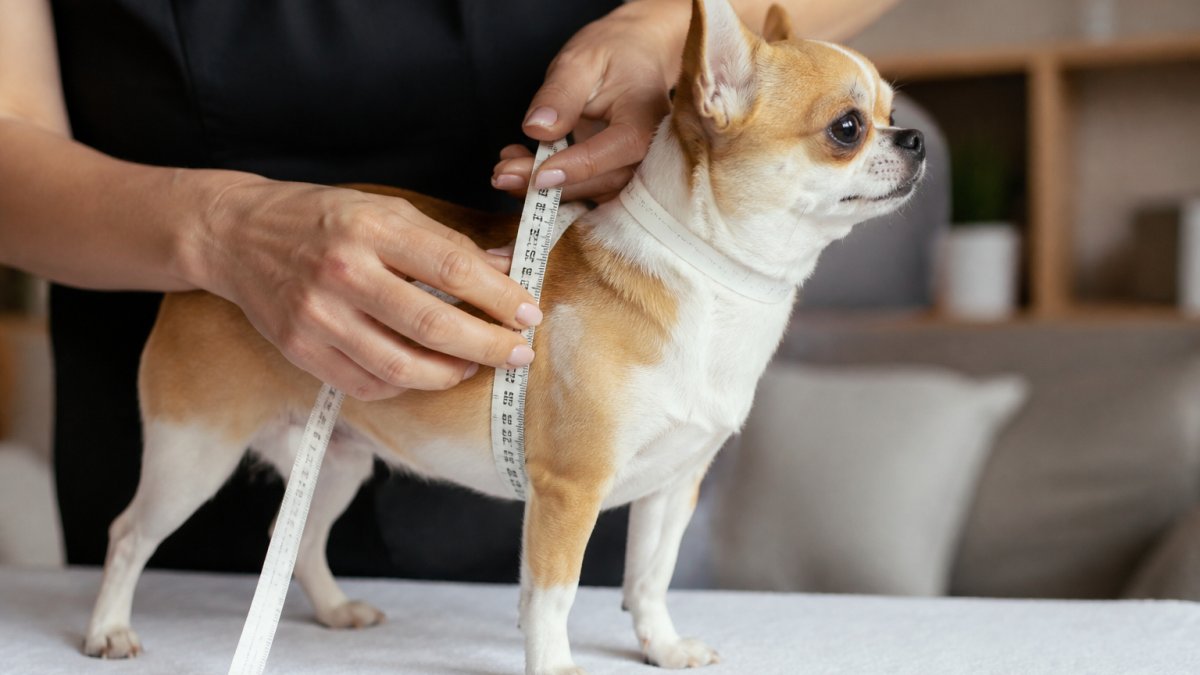
Taking Accurate Measurements
Measure your dog while standing still and calm. Have treats ready to keep them focused. Use a soft measuring tape, the kind tailors use, not a rigid ruler.
Key measurements for custom pet apparel include:
- Neck: Measure around the neck loosely. You should fit one finger comfortably between the tape and the neck.
- Chest: Measure the widest part of the rib cage, just behind the front legs.
- Back length: Measure from the base of the neck to the base of the tail.
- Belly: Measure around the widest part of the abdomen.
- Leg length: If your design includes sleeves, measure from the shoulder to the paw or desired stopping point.
Write down every measurement. Take them twice to confirm accuracy. Small differences create big problems when you're cutting and sewing.
Sizing and Fit Testing
Custom pet apparel should allow freedom of movement. A shirt that's too tight restricts breathing and comfort.
Test fit with a mock-up first if possible. Many sewers create a simple muslin prototype, a basic version in cheap fabric, before cutting into their final material.
When testing fit, watch your pet move. Can they walk normally? Bend and stretch? Lie down comfortably?
Best Fabric for Dog Clothes: Materials That Work
Fabric choice affects comfort, durability, and appearance of your custom pet apparel. The wrong fabric can pill, stretch unevenly, or feel uncomfortable against skin.
Fabric Selection by Climate and Coat Type
For warm climates and short-coated dogs:
- Lightweight cotton (jersey knit or cotton blend)
- Breathable linen blends
- Moisture-wicking synthetics
These fabrics stay cool and allow air circulation.
For cold climates and long-coated dogs:
- Fleece or polar fleece
- Wool blends
- Thermal knits
- Heavier cotton blends
Fleece provides warmth without bulk. Wool naturally regulates temperature.
For small or sensitive-skinned pets:
- Soft cotton (100% cotton or cotton-blend)
- Bamboo fabric
- Organic cotton
These gentle options reduce irritation.
For active dogs:
- Durable cotton twill
- Canvas blends
- Performance fabrics with stretch
These withstand rough play and frequent washing.
Consider weight too. A heavy sweater works for outdoor winter wear.
Choose fabric based on your climate, your dog's coat type, and how active they are.
| Climate and Coat Type | Best Fabrics | Key Benefit |
|---|---|---|
| Warm climates, short-coated dogs | Lightweight cotton, linen blends, moisture-wicking synthetics | Stays cool and allows air circulation |
| Cold climates, long-coated dogs | Fleece, wool blends, thermal knits, heavier cotton | Provides warmth without bulk |
| Small or sensitive-skinned pets | Soft cotton, bamboo fabric, organic cotton | Reduces irritation and skin sensitivity |
| Active dogs | Cotton twill, canvas blends, performance fabrics with stretch | Withstands rough play and frequent washing |
Find or Create a Sewing Pattern for Your Design
A good pattern is your roadmap. It guides every cut and seam. You can source existing patterns or adapt them for your custom pet apparel project.
Sourcing and Adapting Patterns
Finding ready-made patterns: Pet sewing patterns exist online and in craft stores.
Read reviews before downloading or purchasing.
Adapting existing patterns: You don't need a pet-specific pattern.
When adapting, account for your pet's unique body shape.
Creating from scratch: If you're confident, sketch your design on graph paper.
Custom Designed tshirt for request →
Test your pattern on paper first.
DIY Dog Clothes for Beginners: Cutting and Sewing Steps
With measurements taken and a pattern ready, you're prepared to build your custom pet apparel. Break the process into manageable steps.
Cutting Fabric and Preparing Pattern Pieces
Lay your pattern pieces on fabric carefully. Align them with the fabric grain, the direction threads run. Proper grain alignment prevents your finished garment from twisting or warping.
Pin pattern pieces to fabric securely. Use sharp scissors or a rotary cutter to cut clean edges. Jagged edges lead to fraying and sloppy seams.
Mark important points on fabric pieces with chalk or fabric pencil:
- Where seams meet
- Where closures attach
- Where design elements (names, images) go
These marks guide your sewing and keep everything aligned.
Sewing Garment Pieces Together
Start with a simple running stitch or straight stitch on a sewing machine.
Sew with the fabric right sides together, the pretty sides facing each other.
Sew slowly and carefully. Rushing causes crooked seams and mistakes that are hard to fix.
Press seams flat after sewing. A hot iron sets the stitches and creates a professional appearance.
Adding Closures and Finishing Seams
Closures keep garments on your pet. Options include:
- Velcro strips: Easy to apply and adjust. Good for pets who fidget.
- Snaps: Durable and secure. Require special tools to install.
- Hooks and eyes: Traditional and reliable. Work well for wraps and capes.
- Elastic: Stretches for easy on-off. Best for loose-fitting styles.
Finish raw edges to prevent fraying. Fold edges under and stitch them down, or use pinking shears to cut a zigzag pattern that resists fraying.
Try the garment on your pet before declaring it finished. Make adjustments if needed while you're still at the sewing machine.
Custom Dog Shirt Design Ideas and Personalization Techniques
Personalization transforms basic custom pet apparel into something meaningful. Your pet's name, image, or a special date makes the piece unique.
Adding Your Pet's Name and Custom Images
Embroidery adds texture and durability. Names stitched directly onto fabric feel premium and last through many washes.
Fabric paint works for bold designs. Stencil your pet's name or a simple image, then paint over it.
Appliqué means sewing fabric shapes onto the garment.
Heat transfer applies pre-made designs to fabric using heat and pressure.
Ensuring Safety and Comfort in Design Choices
Every design element should enhance comfort and safety. Avoid decorations that dangle or could be chewed off and swallowed.
Keep closures secure.
Avoid stiff or scratchy materials near sensitive areas like the neck and armpits.
Test the finished garment in a safe space before outdoor wear. Watch how your pet moves in it.
Finishing, Testing, and Care for Your Custom Pet Apparel
The work doesn't end when you remove the garment from the sewing machine. Testing, quality control, and proper care determine whether your custom pet apparel lasts or falls apart.
Quality Control and Fit Verification
Try the garment on your pet in good lighting. Check that seams lie flat and don't pucker. Verify closures fasten securely.
Look for loose threads or unfinished edges. Trim any stray threads and reinforce weak spots.
Wash the garment once before regular wear. This reveals potential problems, colors bleeding, seams separating, or fabric shrinking, while you can still make repairs.
Washing and Maintaining Homemade Pet Clothing
Proper care keeps your custom pet apparel looking fresh and extends its life. Follow these practices:
- Wash in cold water to prevent color fading and shrinkage
- Use gentle detergent to protect fabric and avoid irritating your pet's skin
- Turn garments inside out before washing to protect embroidery and printed designs
- Air dry when possible to prevent shrinkage and preserve elastic
- Inspect regularly for loose seams or damage that needs repair
Store garments in a cool, dry place away from direct sunlight. Sunlight fades colors over time.
The American Kennel Club's guidance on pet clothing care emphasizes that proper maintenance extends garment life. Homemade pieces deserve the same attention as store-bought ones.
Mending small issues immediately prevents larger problems. A loose seam today becomes a torn garment tomorrow if ignored.
Order Professional Custom Pet Apparel From Creative Designs2828
Creative Designs2828 is a family-owned destination for high-quality, personalized print-on-demand products designed with intention. Learn about custom apparel printing for small orders.
Frequently Asked Questions
How do you measure a dog for custom pet apparel accurately?
Measure your dog's neck, chest, back length, and belly with a soft measuring tape while they stand naturally. Neck should be snug but allow one finger underneath. Chest is the widest part behind the front legs. Back length runs from the base of the neck to the tail. Take measurements three times to ensure consistency, and add 0.5 to 1 inch for comfort and movement, especially for breeds with thick coats.
What fabric is best for making custom pet apparel?
Jersey material and cotton blends work well for most pets because they stretch and allow movement. For cold weather, fleece or thermal fabrics provide warmth. For small dogs or cats, lighter fabrics like cotton prevent overheating. Avoid materials that fray easily or have loose buttons that pets could swallow. Test fabric durability by washing samples before committing to a full garment.
Can beginners really make professional-looking custom dog clothes?
Yes. Start with simple patterns like basic t-shirts or tank tops rather than complex designs with curves and closures. Use quality fabric and a reliable sewing machine. Pay attention to seam finishing and test fit before final assembly. Many beginners find that personalizing store-bought blank apparel with embroidery or fabric paint is easier than sewing from scratch, and the results look professional.
How should custom pet apparel fit to keep my dog comfortable and safe?
The garment should allow full range of motion in all four legs and the neck. Your pet should be able to sit, walk, and run without restriction. Closures like hooks and eyes should be secure but not tight. Avoid dangling decorations or long sleeves that could catch on objects. Always supervise your pet the first time wearing new apparel, and remove it if they show signs of discomfort or overheating.
Creating custom pet apparel rewards patience and attention to detail. Whether you sew it yourself or commission a professional, the result is a one-of-a-kind piece that celebrates your pet's personality. Start with a clear design, measure carefully, choose quality fabric, and finish with care. Your pet will wear their custom apparel with pride.

- Choosing a selection results in a full page refresh.
